
 Vietnam
  English
  Japan
Japan  Korea
Korea  China
China  Indonesia
  Thailand
THE MOST COMMON STANDARDS RELATED TO STEEL MATERIALS
-
20/03/2024
Steel is one of the most important construction materials used in various industries. To ensure the quality and sustainability of steel products, many standards have been established to provide authentication for this type of material. In the article below, we will learn about the most common standards regulating the strength of steel types.
Steel is an important material in construction
1. AMERICAN STANDARD
ASTM (American Society for Testing and Materials): ASTM are international standards developed for various industries, including construction materials, manufacturing, electronics, chemicals, and many others. ASTM standards specify testing methods, technical specifications, and usage regulations in the production and quality testing of products.
For commonly referenced steel materials:
- ASTM A36: ASTM A36 standard specifies strength requirements for non-alloy structural steel used in various construction applications. Steel under this standard requires a minimum tensile strength of 250 MPa (36 ksi). ASTM A36 steel is commonly used in construction projects such as steel buildings, bridges, transportation infrastructure, and other applications.
- ASTM A572: ASTM A572 standard applies to high-strength steel suitable for projects requiring high load-bearing capacity. The minimum strength specified by this standard is 345 MPa (50 ksi). ASTM A572 steel exhibits good impact resistance, meeting the demands of projects like bridges, underground structures, and industrial workshops.
- ASTM A653: ASTM A653 standard specifies strength requirements for galvanized steel used in construction applications, especially in the steel sheet and zinc-coated sheet metal industry. According to this standard, the minimum strength required is 165 MPa (24 ksi) for steel sheets and 138 MPa (20 ksi) for galvanized sheet metal.
- ASTM A792: ASTM A792 standard defines strength requirements for aluminum-silicon zinc-coated steel. Steel under this standard is often used as roofing and wall materials in the construction industry. The specified minimum strength is 300 MPa (43.5 ksi).
2. JAPANESE STANDARD
The JIS (Japanese Industrial Standards) specifications mentioned refer to various standards for different materials and applications:
- JIS G3101: This standard specifies the general structure of rolled steel sheets, plates, and strips used in various construction and structural applications.
- JIS G3106: This standard covers rolled steels for welded structure, including hot-rolled steel plates, sheets, and strips used in bridges, ships, and other structures.
- JIS G3302: This standard pertains to hot-dip zinc-coated steel sheets and coils used in general applications, particularly in construction, appliances, and automotive industries.
- JIS G3321: This standard specifies hot-dip 55% aluminum-zinc alloy-coated steel sheets and coils, commonly known as Galvalume, used in roofing, siding, and other architectural applications.
These standards ensure uniformity and quality in materials used across various industries in Japan and are sometimes adopted internationally for their reliability and precision.
3. AUSTRALIAN STANDARD
AS (Australian Standards): AS standards constitute a technical standard system in Australia. AS defines requirements, testing methods, and technical regulations for various industries, including architecture, construction, transportation, healthcare, and many others. AS standards are maintained by Australian standard organizations to ensure quality and safety in Australian industries.
- AS 1397: This standard applies to zinc-coated steel products with surface coatings via hot-dip or electroplating methods, widely used in construction, infrastructure, and other industries.
- AS 3678: This standard specifies technical requirements for hot-rolled steel plates, coils, and strips used in structural and construction applications.
- AS 1163: This standard applies to welded and seamless steel pipes, as well as related accessories, used in pipeline systems, construction projects, and other applications.
These are just some of the most common standards regulating the strength of steel types. There are many other standards suitable for each specific country and industry. Adhering to these standards ensures the quality and sustainability of steel products, enhancing safety during usage. As a provider of tens of thousands of tons of structural steel annually, Seico always ensures that its products fully comply with international standards, delivering durable and safe structures to customers.
Seico has more than 20 years of experience in the field of pre-engineered steel buildings
CONTACT US now for quotations and consultations on designing and constructing steel buildings promptly!
Tin tức liên quan
.png)
- 13
- Jun
- 13/06/2026
Koch Industries, the second-largest privately held company in the United States, generates approximately USD 125 billion in annual revenue. Within its ecosystem, Molex is one of the world's leading manufacturers of electronic connectivity solutions, cable assemblies, and high-speed data transmission infrastructure.
Xem thêm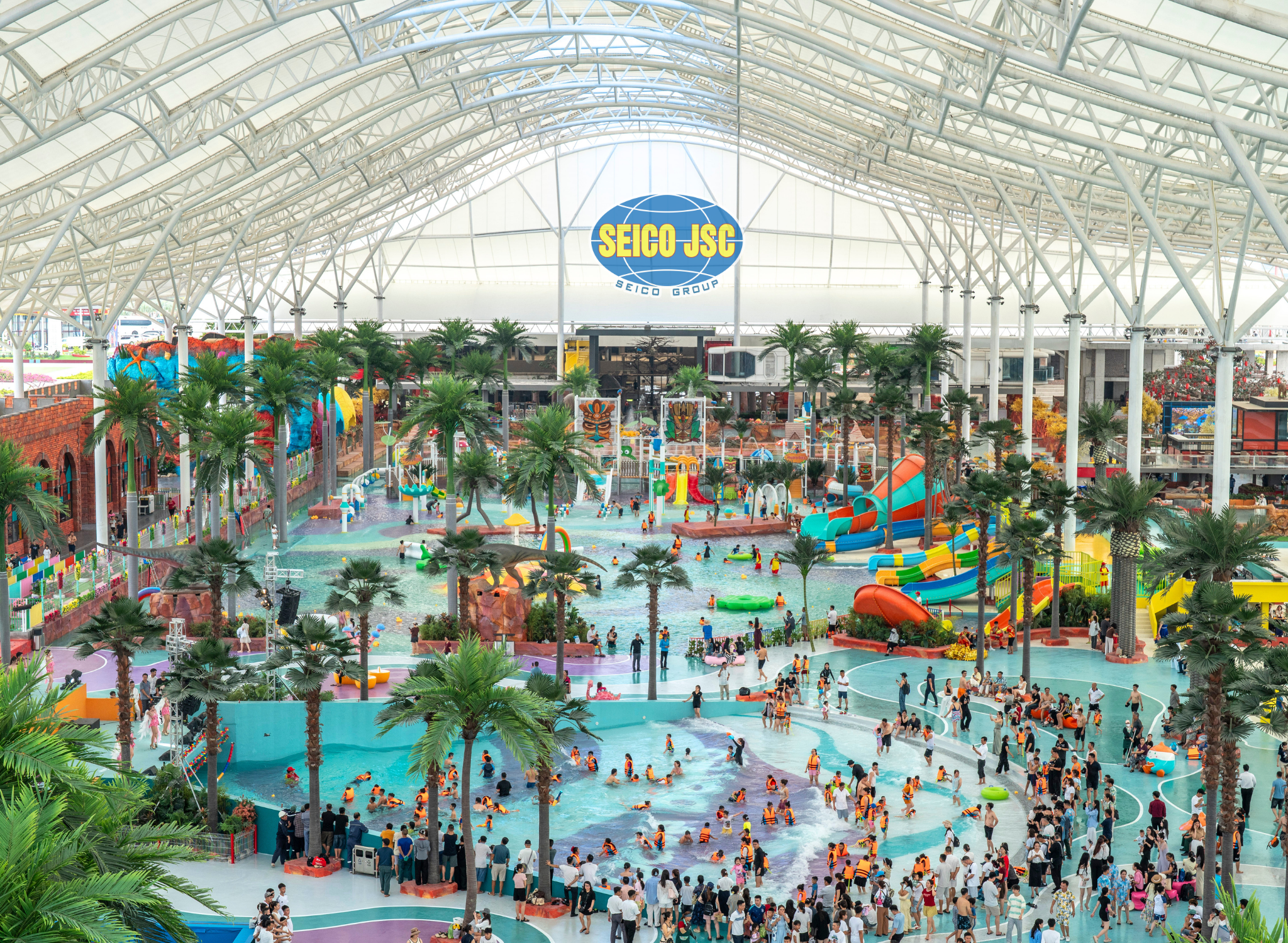
- 06
- Jun
- 06/06/2026
On May 30, 2026, Biboy World Water Park, located within Phuong Dong Wonder Island Urban Area in Van Don, Quang Ninh Province, officially welcomed its first visitors, marking the beginning of an exciting summer season.
Xem thêm(1).png)
- 09
- Jun
SP Deck - Built for performance, designed for flexibility
- 09/06/2026
SP Deck (Truss Deck) is designed to work seamlessly with a wide range of structural systems, making it an ideal flooring solution for industrial, commercial, and logistics developments.
Xem thêm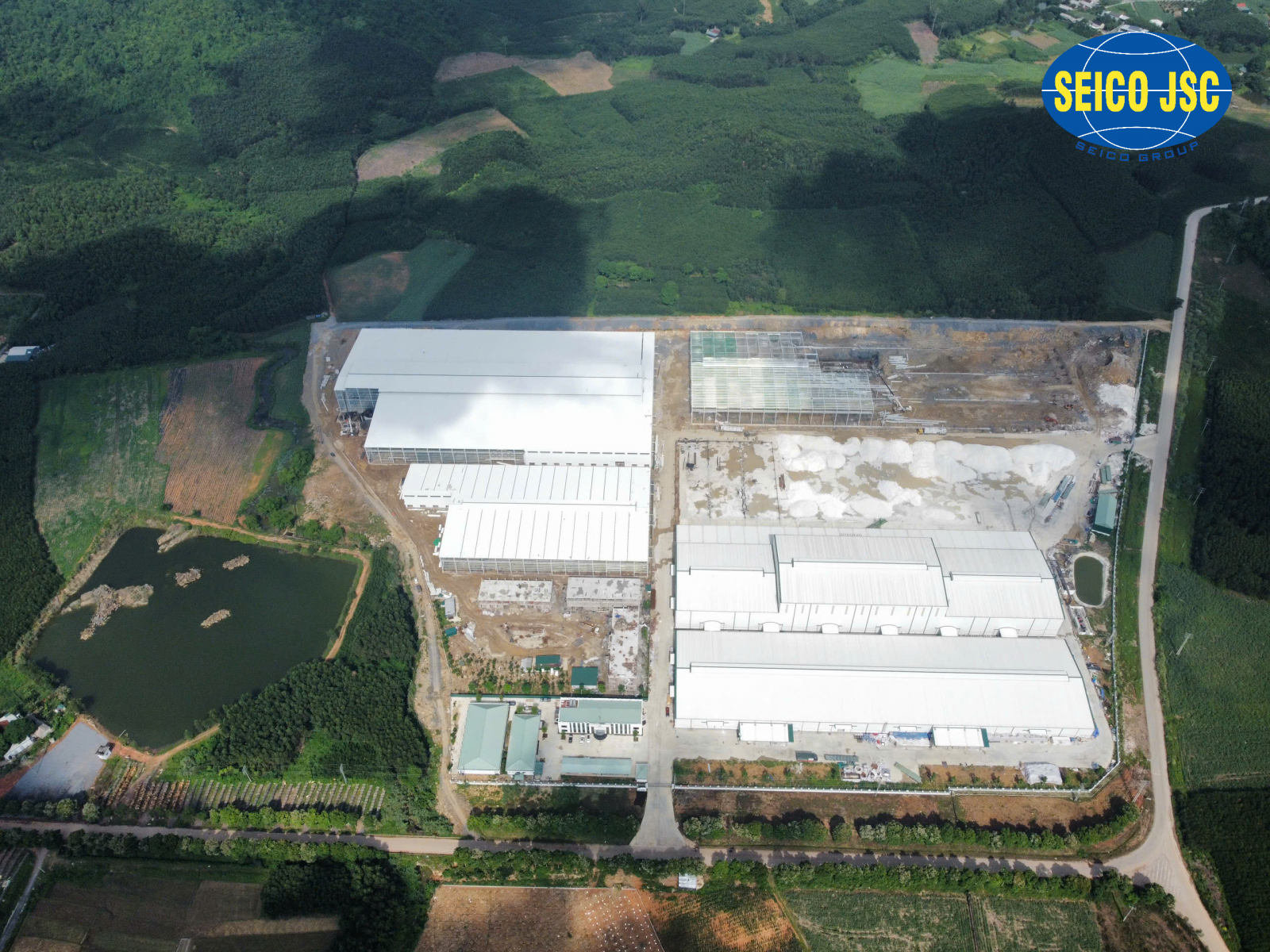
- 02
- Jun
SEICO Receives Positive Customer Evaluation Letter from Duc Thinh New Material Technology Co., Ltd.
- 02/06/2026
Customer satisfaction has always been the most important measure of SEICO’s service quality and project execution capability. Recently, SEICO was honored to receive an evaluation letter from Duc Thinh New Material Technology Co., Ltd., recognizing the efforts and achievements delivered by the SEICO team throughout the project implementation process.
Xem thêm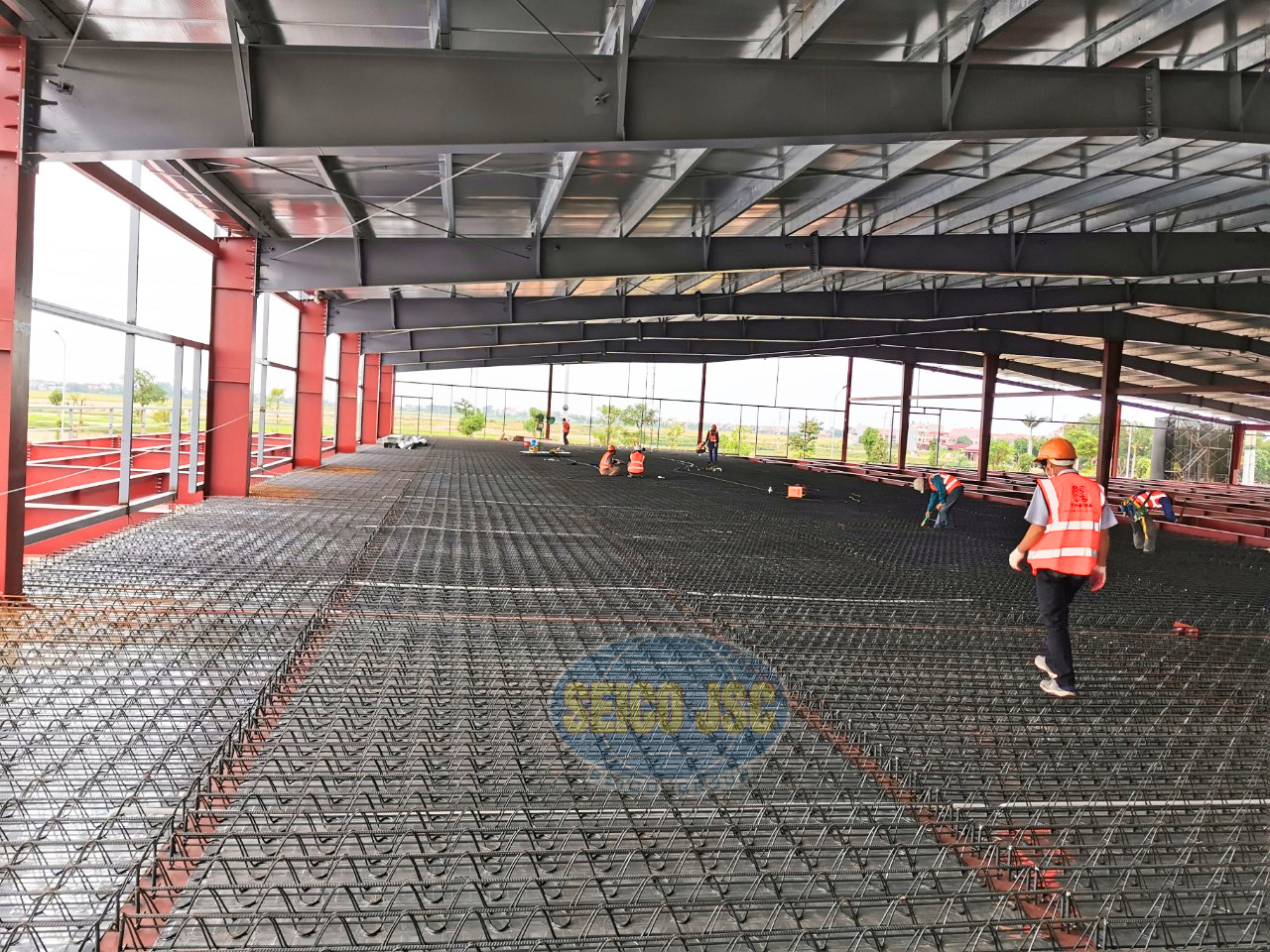
- 26
- May
- 26/05/2026
In steel structures factory, the biggest challenge for floor systems is not only load-bearing capacity, but also vibration stability, long-span capability, and construction optimization. This is exactly why SP Deck technology was developed — representing a major advancement beyond traditional deck slab systems.
Xem thêm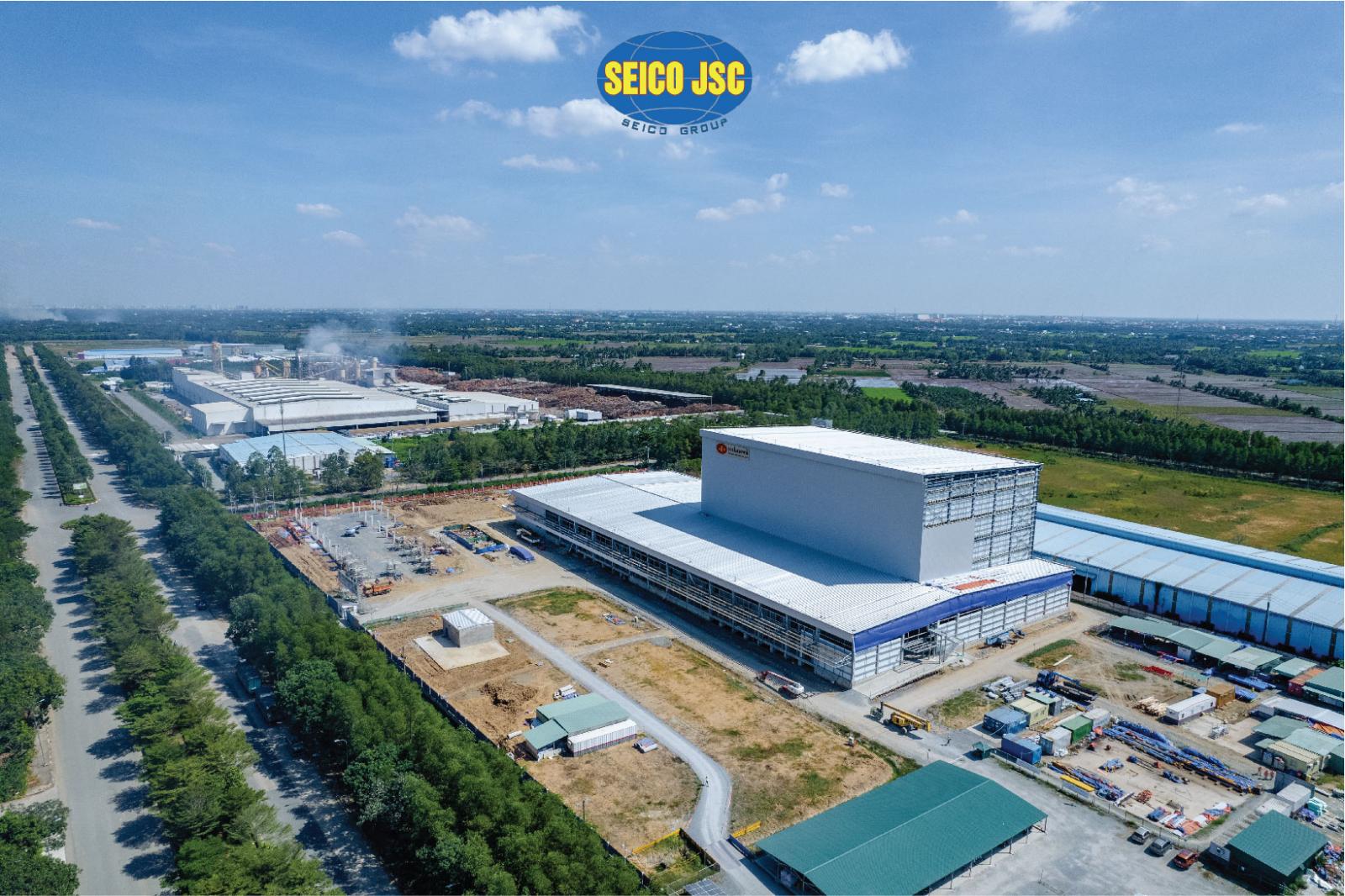
- 23
- May
SEICO x YOKOREI: Steel Structure Solutions Meeting Cold Storage Industry Standards
- 23/05/2026
The cold storage industry requires steel structures to meet highly demanding technical standards to ensure stable and long-term operation under extreme environmental conditions. Beyond load-bearing performance, steel structures must provide excellent corrosion resistance and structural stability in low-temperature, high-humidity environments with continuous operation.
Xem thêm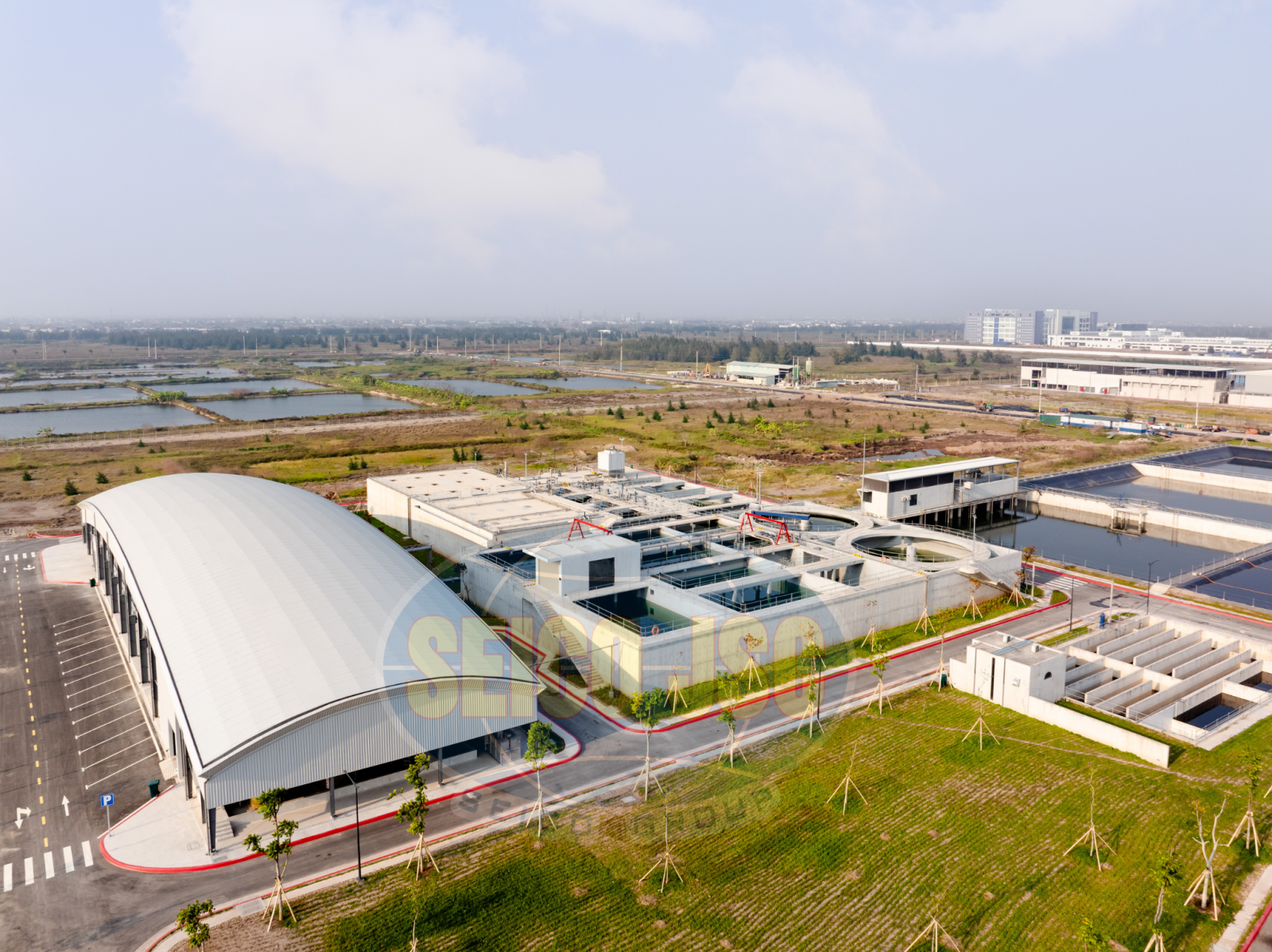
- 15
- May
AURORA IP WASTEWATER TREATMENT PLANT: OPTIMIZING OPERATIONS WITH A COMPREHENSIVE SOLUTION FROM SEICO
- 15/05/2026
The Wastewater Treatment Plant project at the Rang Dong Textile Industrial Park – Aurora IP has been planned with a total treatment capacity of up to 110,000 m³ per day, developed through multiple modern treatment modules to meet sustainable operational demands and increasingly strict environmental standards.
Xem thêm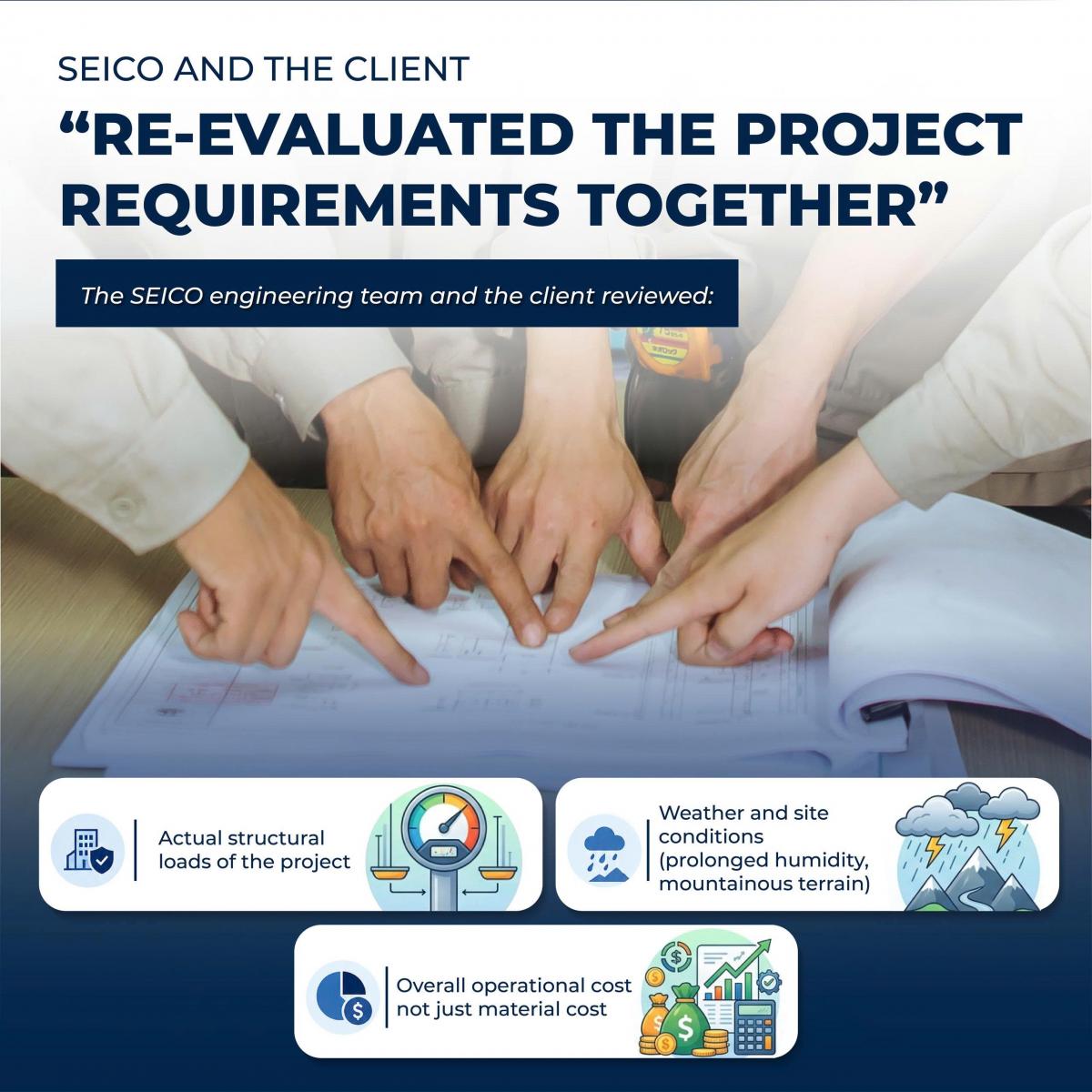
- 14
- May
CASE STUDY: REDUCING TOTAL STEEL STRUCTURE WEIGHT BY 20% THROUGH DESIGN OPTIMIZATION
- 14/05/2026
In high-tech agricultural projects, the challenge is not only about “designing a structure that is safe enough,” but also about optimizing investment costs, construction efficiency, and long-term operational performance.
Xem thêm